
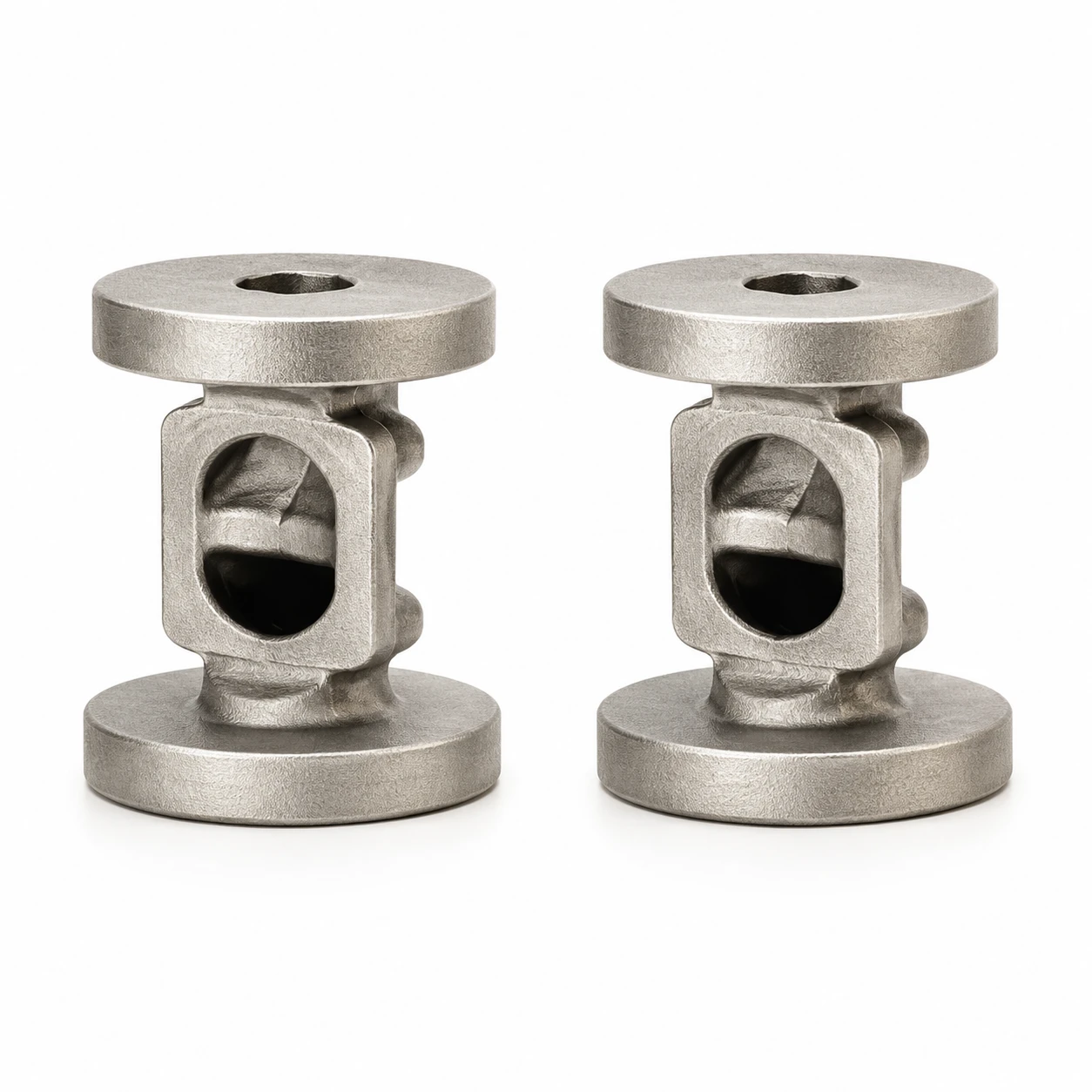
Industrial valves are among the most critical components in modern infrastructure. From controlling water distribution systems to regulating high-pressure steam in power plants and managing corrosive chemicals in processing facilities, every valve must deliver consistent performance under demanding operating conditions. The reliability of these systems depends heavily on one essential factor: the quality of the casting.
Iron Valve Industrial Component Casting is the manufacturing process used to produce precision valve bodies, bonnets, covers, flanges, yokes, and other structural components that form the backbone of industrial valve assemblies. These castings are engineered to withstand high pressure, temperature fluctuations, mechanical stress, and corrosive environments while maintaining dimensional accuracy and long service life.
Unlike fabricated components, precision iron castings allow manufacturers to create complex geometries with exceptional strength and repeatability. This makes casting one of the most efficient and cost-effective production methods for industrial valve components used across oil and gas, water treatment, chemical processing, mining, marine, and power generation industries.
Today, manufacturers and OEMs rely on experienced foundries that combine advanced metallurgy, precision molding, CNC machining, and strict quality control to produce cast valve components that meet international performance standards.
In this guide, you’ll learn how Iron Valve Industrial Component Casting works, why iron remains one of the most trusted engineering materials for valve manufacturing, and what buyers should consider when selecting a casting partner for OEM or industrial applications.
What Is Iron Valve Industrial Component Casting?
Iron Valve Industrial Component Casting is the process of producing valve components by pouring molten iron into specially designed molds that replicate the final shape of the product. Once the metal solidifies, the casting undergoes cleaning, machining, and inspection before becoming part of a finished valve assembly.
This manufacturing method enables the production of complex components with excellent structural integrity while reducing material waste and machining requirements.
Typical cast valve components include:
- Valve bodies
- Bonnets
- Valve covers
- Yokes
- End flanges
- Bearing housings
- Support brackets
- Gearbox housings
- Pump and valve connectors
These components must maintain dimensional stability under pressure while providing reliable sealing surfaces for long-term operation.
Unlike simple mechanical parts, valve castings often contain internal flow passages, pressure-retaining walls, and mounting interfaces that require careful design and controlled manufacturing.
For this reason, precision casting remains the preferred manufacturing method for industrial valve components worldwide.
Why Iron Is the Preferred Material for Industrial Valve Components
Selecting the correct material is one of the most important decisions in valve manufacturing. Components must withstand continuous mechanical loading, fluctuating temperatures, fluid pressure, and environmental exposure without compromising safety or performance.
Iron continues to be widely used because it offers an outstanding combination of strength, durability, machinability, and cost efficiency.
Excellent Mechanical Strength
Industrial valves operate under varying pressure conditions, from low-pressure water systems to high-pressure steam and industrial process lines.
Iron castings provide the structural strength required to maintain dimensional stability while resisting deformation during long-term service.
Outstanding Pressure Resistance
Valve bodies must safely contain internal pressure throughout their operational life.
Properly manufactured iron castings deliver reliable pressure-retaining performance when produced under controlled foundry conditions.
Superior Machinability
After casting, critical sealing surfaces, flange faces, and threaded connections are precision machined.
Iron provides excellent machinability, allowing manufacturers to achieve tight tolerances while maintaining production efficiency.
Long Service Life
Industrial facilities expect valves to operate reliably for years with minimal maintenance.
High-quality iron castings resist wear, mechanical fatigue, and operational stress, contributing to longer equipment life.
Cost-Effective Manufacturing
Compared with fabricated steel assemblies or fully machined billet components, iron casting provides an economical solution for both standard and complex valve designs.
Types of Iron Used in Valve Component Casting
Different operating conditions require different grades of iron. Selecting the correct material depends on pressure ratings, service environment, mechanical loading, and application requirements.
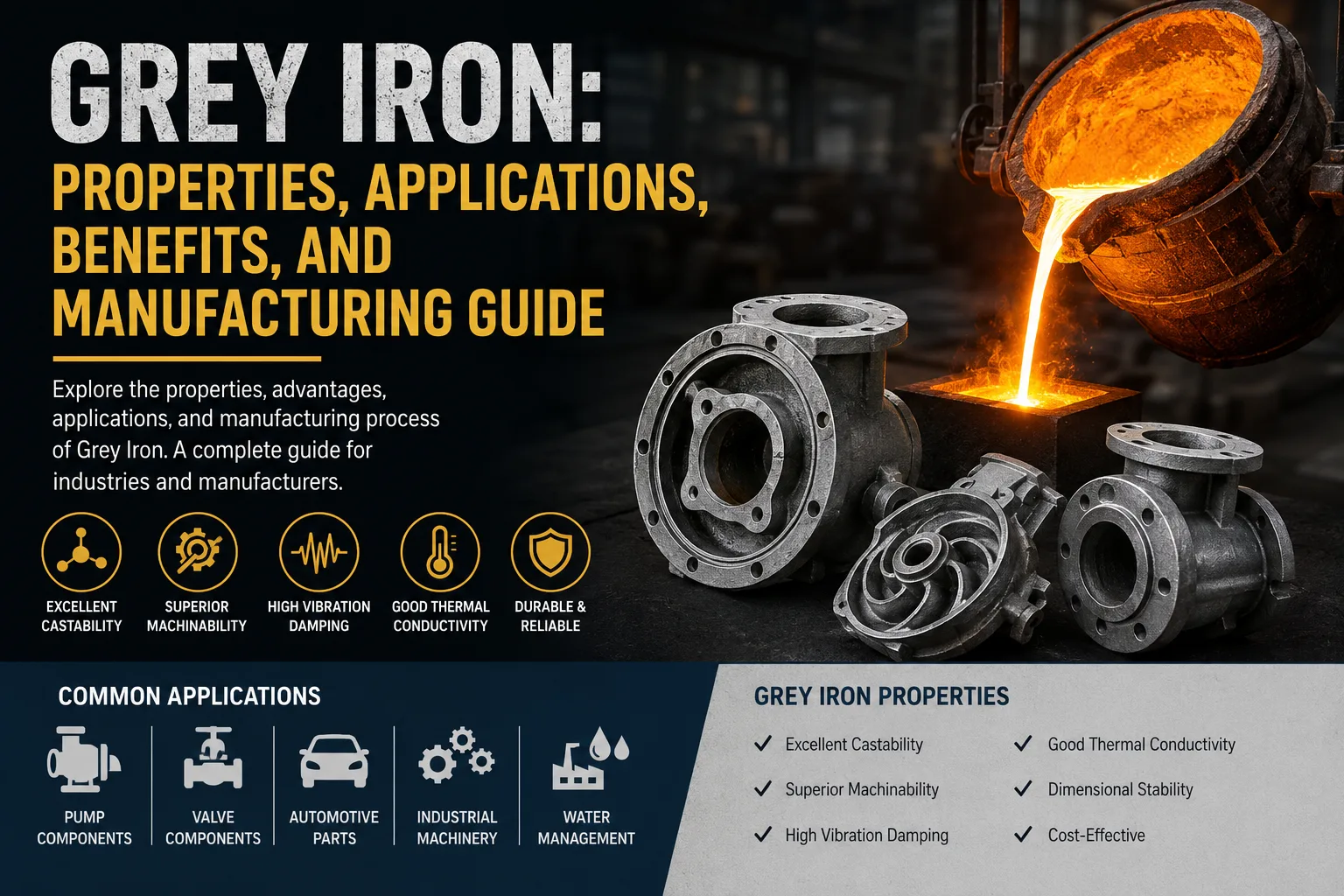
Grey Cast Iron
Grey cast iron is widely used for low and medium-pressure valve applications where excellent vibration damping and good machinability are important.
Common applications include:
- Water distribution valves
- Irrigation systems
- HVAC equipment
- Municipal infrastructure
Its graphite flake structure provides excellent machinability but lower ductility than ductile iron.
SG (Ductile) Iron
For higher pressure applications, SG (Spheroidal Graphite) Iron offers significantly improved mechanical properties.
Its nodular graphite structure provides:
- Higher tensile strength
- Better ductility
- Improved fatigue resistance
- Greater impact resistance
- Enhanced structural reliability
SG iron is commonly used for:
- Industrial process valves
- High-pressure pipelines
- Oil and gas valves
- Fire protection systems
- Hydraulic control valves
Because of its balance of strength and castability, SG iron has become one of the most preferred materials for modern industrial valve manufacturing.
Alloy Iron
Some demanding industrial environments require additional alloying elements to improve wear resistance, corrosion resistance, or elevated temperature performance.
Alloy iron castings are commonly selected for:
- Chemical processing
- Power generation
- Marine systems
- Mining equipment
- High-temperature service
Material selection depends on the operating conditions and engineering requirements of each application.
The Manufacturing Process of Iron Valve Industrial Component Casting
Producing reliable valve components requires more than simply melting metal and filling a mold. Every manufacturing stage influences the casting’s dimensional accuracy, pressure integrity, and long-term performance.
A professional foundry follows a controlled production process to ensure consistent quality.
1. Engineering Design and Pattern Development
The process begins with detailed engineering drawings or 3D CAD models.
Engineers evaluate:
- Component geometry
- Wall thickness
- Machining allowances
- Shrinkage compensation
- Gating system
- Riser placement
Patterns are then manufactured to create accurate mold cavities for production.
Proper pattern design minimizes defects while improving dimensional consistency.
2. Mold Preparation
Prepared molds determine the final shape and surface quality of the casting.
Depending on production volume and complexity, manufacturers may use:
- Green sand molding
- Resin sand molding
- Shell molding
- No-bake molding
Proper mold preparation ensures:
- Uniform filling
- Controlled solidification
- Reduced porosity
- Better surface finish
3. Melting and Chemical Control
Selected raw materials are melted in induction furnaces under carefully controlled conditions.
Throughout the melting process, technicians monitor:
- Carbon content
- Silicon percentage
- Sulfur level
- Phosphorus level
- Temperature
- Chemical composition
Maintaining precise metallurgy ensures consistent casting quality and mechanical performance.
4. Pouring and Solidification
Once the molten iron reaches the specified pouring temperature, it is transferred into prepared molds through a carefully designed gating system.
Controlled pouring helps prevent:
- Air entrapment
- Cold shuts
- Misruns
- Shrinkage defects
- Internal porosity
Equally important is the cooling process. Controlled solidification promotes a uniform grain structure, minimizes internal stresses, and enhances the overall integrity of the valve casting.
5. Fettling and Surface Preparation
After cooling, each casting undergoes fettling to remove runners, gates, and excess material. Surface cleaning methods such as shot blasting and grinding improve appearance while preparing the component for machining and inspection.
This stage also allows technicians to identify any visible surface imperfections before the casting moves to the next production phase.
6. Precision CNC Machining
Industrial valve components require highly accurate sealing faces, bolt holes, threads, and mounting surfaces. CNC machining ensures these critical features meet exact dimensional tolerances and are ready for assembly into the finished valve.
Precision machining improves sealing performance, simplifies installation, and ensures consistency across production batches.
Quality Control: Ensuring Reliable Valve Casting Performance
Manufacturing a high-quality valve casting does not end once the component is poured or machined. Every casting must undergo rigorous quality control to verify that it meets dimensional, mechanical, and pressure-retaining requirements before it is approved for assembly or shipment.
For industries such as oil and gas, power generation, chemical processing, and water infrastructure, even a minor casting defect can affect safety, operational efficiency, and equipment reliability. This is why professional foundries integrate quality assurance throughout the production process rather than relying solely on final inspections.
Typical quality control procedures include:
Chemical Composition Analysis
Each heat of molten iron is analyzed using a spectrometer to verify that carbon, silicon, manganese, sulfur, phosphorus, and other alloying elements remain within the required specifications.
Mechanical Property Testing
Test samples are evaluated to confirm:
- Tensile strength
- Yield strength
- Elongation
- Hardness
These properties help ensure the casting performs under its intended operating conditions.
Dimensional Inspection
Critical dimensions are verified using precision measuring instruments and Coordinate Measuring Machines (CMM) where required.
Inspection focuses on:
- Flange thickness
- Bolt hole positions
- Sealing faces
- Internal diameters
- Machining allowances
Surface and Internal Defect Inspection
Castings are visually inspected and, when required, tested using non-destructive examination methods such as:
- Magnetic Particle Testing (MPI)
- Ultrasonic Testing (UT)
- Dye Penetrant Inspection (DPI)
- Hydrostatic Pressure Testing for pressure-retaining components
These inspections help identify discontinuities that are not visible to the naked eye.
Common Casting Defects and How They Are Prevented
Producing reliable Iron Valve Industrial Component Castings requires more than following a standard production sequence. Foundries must also understand how to prevent casting defects that can affect structural integrity or machining quality.
Some of the most common defects include:
| Casting Defect | Primary Cause | Prevention Method |
|---|---|---|
| Shrinkage Cavities | Improper solidification | Optimized riser design and feeding |
| Gas Porosity | Entrapped gases | Controlled pouring and proper venting |
| Cold Shut | Low pouring temperature | Correct temperature and metal flow |
| Misrun | Incomplete mold filling | Improved gating design |
| Sand Inclusion | Mold erosion | High-quality molding materials |
| Hot Tears | Uneven contraction | Controlled cooling and proper casting design |
Experienced foundries continuously optimize mold design, pouring practices, and solidification patterns to minimize these defects and improve production consistency.
Benefits of Iron Valve Industrial Component Casting
Iron casting continues to be the preferred manufacturing process for industrial valve components because it combines engineering performance with production efficiency.
Complex Geometry
Casting allows manufacturers to produce intricate valve bodies, internal passages, mounting features, and reinforcement ribs that would be difficult or expensive to machine from solid material.
High Structural Strength
Properly manufactured iron castings provide excellent strength for pressure-retaining applications while maintaining dimensional stability over long service periods.
Excellent Machinability
Iron castings can be machined efficiently, allowing manufacturers to produce precision sealing surfaces, threaded connections, and assembly features with high accuracy.
Cost-Effective Production
Compared with fabricated or billet-machined components, cast iron significantly reduces material waste and machining time, making it an economical choice for medium and high-volume production.
Long Operational Life
Industrial valves often operate continuously in demanding environments. Quality castings provide excellent resistance to wear, pressure, vibration, and mechanical fatigue, extending equipment service life.
Industrial Applications of Iron Valve Industrial Component Castings
Industrial valves are used across a wide range of sectors, and each application places unique demands on the casting.
Oil and Gas
Valves regulate the flow of crude oil, natural gas, steam, and refined products under high pressure. Cast valve bodies must withstand extreme operating conditions while maintaining reliable sealing performance.
Chemical Processing
Chemical plants require valve castings capable of handling aggressive fluids, elevated temperatures, and continuous process operation.
Water Treatment
Municipal and industrial water systems depend on durable valve components that resist corrosion and provide long-term reliability in distribution networks.
Power Generation
Steam valves, cooling water valves, and process control valves used in thermal and renewable power plants require robust castings that can withstand thermal cycling and pressure fluctuations.
Mining and Mineral Processing
Mining operations expose valves to abrasive slurries, high pressures, and severe environmental conditions. Iron castings provide the durability required for these demanding applications.
Marine Industry
Shipbuilding and offshore facilities rely on cast valve components for ballast systems, cooling circuits, fuel systems, and seawater handling applications.
Fire Protection Systems
Industrial and commercial fire protection networks depend on precision valve castings that deliver dependable performance during emergency conditions.
OEM Iron Valve Industrial Component Casting Solutions
Every valve manufacturer has unique engineering requirements. Standard components may not always meet performance expectations, making OEM Iron Valve Industrial Component Casting an essential manufacturing solution.
An experienced OEM casting partner can support:
- Product development
- Pattern and tooling design
- Prototype manufacturing
- Reverse engineering
- Precision machining
- Surface finishing
- Assembly-ready components
- High-volume production
Working with a capable OEM manufacturer reduces development time while ensuring consistent product quality across production batches.
How to Choose the Right Iron Valve Casting Manufacturer
Selecting a manufacturing partner involves more than comparing prices. A reliable foundry should demonstrate technical expertise, production capability, and consistent quality.
Consider the following factors:
Engineering Expertise
A strong engineering team can optimize casting design, improve manufacturability, and reduce production costs without compromising performance.
Modern Manufacturing Equipment
Look for facilities equipped with induction furnaces, advanced molding systems, CNC machining centers, and precision inspection equipment.
Process Control
Reliable manufacturers monitor every stage of production, from raw material selection and melting to machining and final inspection.
Quality Management
Choose suppliers with documented inspection procedures, traceability systems, and the ability to meet international quality requirements.
Export Experience
For international buyers, experience with export documentation, protective packaging, and logistics coordination is essential to ensure smooth deliveries.
Why Choose RAIMAC Technocast?
RAIMAC Technocast manufactures Iron Valve Industrial Component Castings for OEMs, valve manufacturers, industrial equipment companies, and global distributors.
Our manufacturing capabilities include:
- Precision iron casting
- Grey iron and SG iron castings
- Custom valve components
- CNC machining
- Prototype development
- OEM manufacturing
- Dimensional inspection
- Export-ready packaging
Our production approach combines metallurgical expertise, controlled manufacturing processes, and rigorous quality inspection to deliver reliable components for demanding industrial applications.
Whether you require standard valve castings or custom-engineered OEM solutions, our team works closely with customers to ensure every component meets functional, dimensional, and performance expectations.
Conclusion
Iron Valve Industrial Component Casting remains one of the most efficient and dependable manufacturing methods for producing high-performance valve components. From raw material selection and precision molding to CNC machining and comprehensive quality inspection, every stage contributes to the strength, durability, and reliability of the finished product.
As industries continue to demand valves capable of operating under increasingly challenging conditions, manufacturers must rely on casting partners that combine engineering expertise with consistent production quality.
Choosing an experienced foundry ensures not only high-quality castings but also reliable technical support, efficient production, and long-term supply capabilities. Whether your project involves water infrastructure, oil and gas, chemical processing, power generation, or custom OEM valve manufacturing, investing in precision-engineered castings is essential for building dependable and long-lasting industrial systems.
Frequently Asked Questions
Iron Valve Industrial Component Casting is the manufacturing process of producing valve bodies, bonnets, flanges, and related components by pouring molten iron into precision molds, followed by machining and quality inspection.
Grey iron is commonly used for general-purpose valve applications, while SG (ductile) iron is preferred for higher pressure systems requiring greater strength, ductility, and impact resistance.
Casting enables the production of complex shapes with excellent structural integrity, reduced material waste, and cost-effective manufacturing, making it ideal for valve bodies and pressure-retaining components.
Iron valve castings are widely used in oil and gas, chemical processing, water treatment, power generation, mining, marine, fire protection, and general industrial processing.
Yes. OEM manufacturers can produce custom valve castings based on engineering drawings, CAD models, or customer specifications, including machining and assembly-ready solutions.