
If you’re looking to buy gray iron & SG iron castings from a manufacturer, the right supplier can make a significant difference in component quality, production consistency, machining performance, and overall procurement cost.
Gray iron and SG iron are widely used for industrial, automotive, agricultural, pump, valve, hydraulic, and machinery components. However, these two materials have different graphite structures and mechanical properties. Choosing the right grade depends on the component’s loading, impact, vibration, wear, pressure, and machining requirements.
Buying directly from an experienced gray iron and SG iron casting manufacturer can also give OEMs better control over material specifications, tooling, casting quality, inspection, machining, and repeat production.
This guide explains what you should know before buying gray iron & SG iron castings, how the materials differ, what components can be manufactured, and how to evaluate a reliable OEM casting supplier.
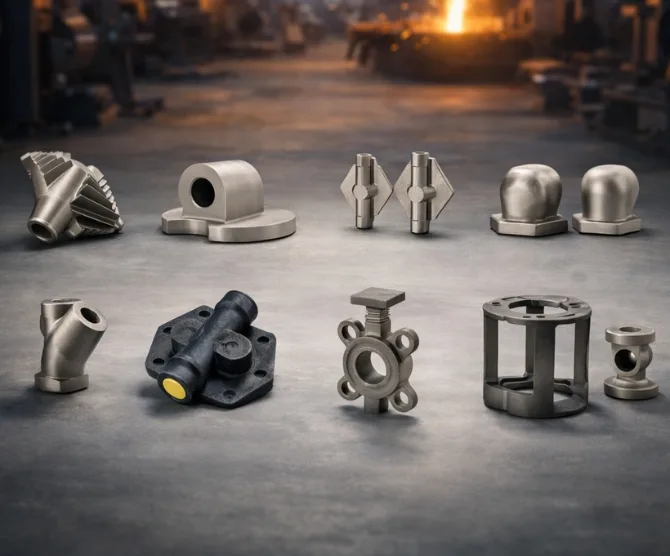
What Are Gray Iron & SG Iron Castings?
Gray iron and SG iron are both cast iron materials, but their internal graphite structures are different.
Gray Iron Castings
Gray iron contains graphite primarily in the form of flakes. This structure provides excellent machinability and vibration damping.
Gray iron is commonly selected when a component requires:
- Good machinability
- Vibration damping
- Good castability
- Thermal conductivity
- Compressive strength
- Cost-effective production
Typical gray iron components include:
- Machine bases
- Pump housings
- Motor housings
- Brake components
- Engine components
- Gear housings
- Industrial equipment bodies
- Valve components
SG Iron Castings
SG iron means Spheroidal Graphite Iron. It is also commonly called ductile iron or nodular cast iron.
Its graphite forms predominantly as spherical nodules. This structure allows SG iron to provide greater ductility and tensile performance than conventional gray iron.
SG iron is commonly used for:
- Tractor components
- Automotive parts
- Differential housings
- Gear housings
- Hydraulic components
- Valve bodies
- Pump components
- Steering components
- Heavy-duty machinery parts
Gray Iron vs. SG Iron: Which Should You Buy?
The best material depends on the application.
| Property | Gray Iron | SG Iron |
|---|---|---|
| Graphite structure | Flakes | Spherical nodules |
| Ductility | Low | High |
| Tensile performance | Moderate | Higher |
| Impact resistance | Limited | Good |
| Machinability | Excellent | Very good |
| Vibration damping | Excellent | Good |
| Fatigue resistance | Moderate | Higher |
| Typical applications | Housings, bases, machinery | Structural and load-bearing parts |
| Relative cost | Generally lower | Generally higher |
Gray iron is often a good choice when machinability, vibration damping, and cost are important.
SG iron is generally more appropriate when the component must withstand higher tensile loads, impact, bending, or repeated mechanical stress.
Material selection should always be based on the component’s engineering requirements rather than choosing a material simply because it has a lower purchase price.
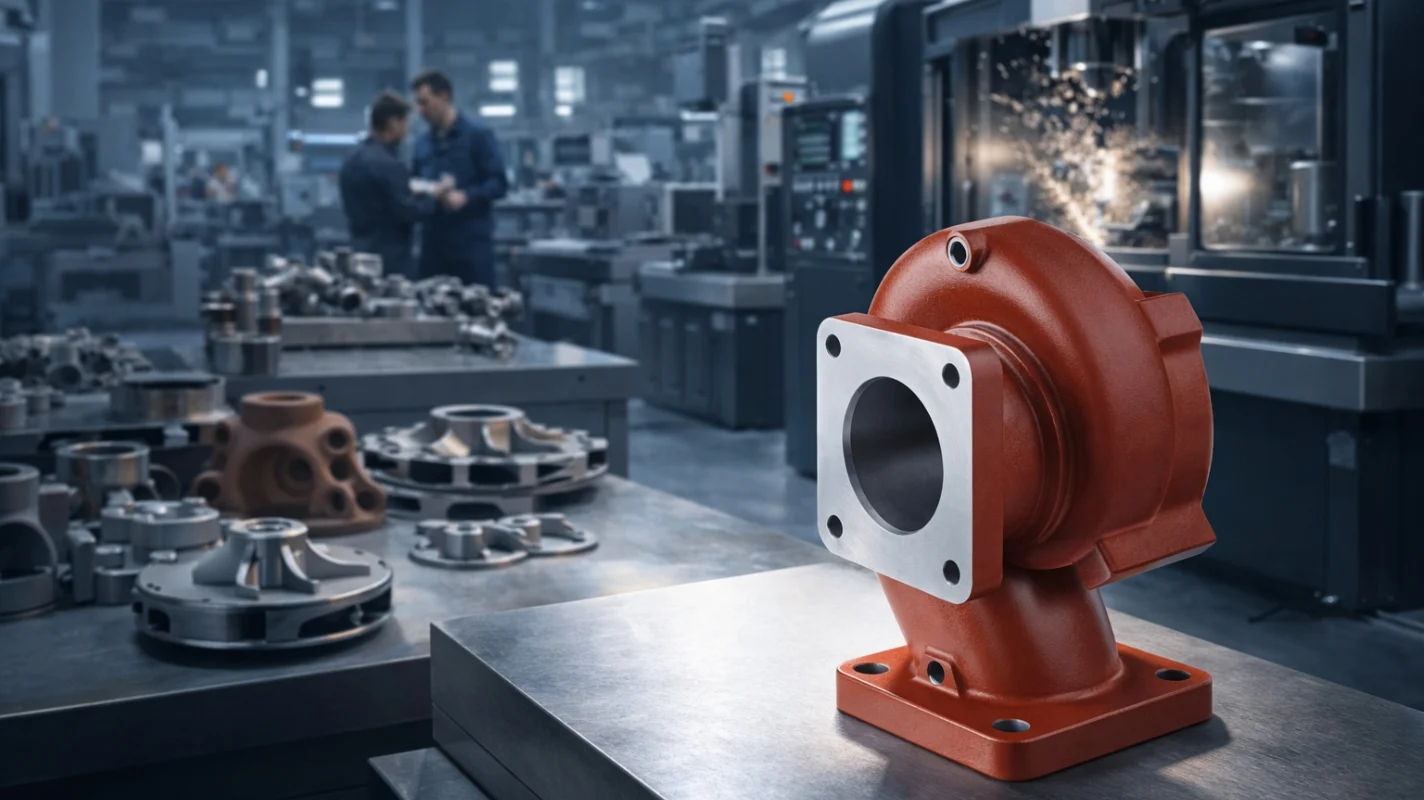
Why Buy Gray Iron & SG Iron Castings Directly from a Manufacturer?
Purchasing directly from the manufacturer can provide several advantages for OEM and industrial buyers.
Better Control Over Material
A manufacturer can produce castings according to a specified material grade and chemical composition rather than supplying an unspecified generic casting.
This is particularly important for components that require defined mechanical properties.
Custom Casting Production
OEM buyers can provide:
- Engineering drawings
- CAD files
- Samples
- Material specifications
- Dimensional requirements
- Annual volume requirements
The manufacturer can then develop the casting and tooling around the customer’s component.
Better Production Consistency
A dedicated foundry can control the process from melting and molding through fettling and inspection.
This helps maintain consistency across repeat orders.
Machining Support
Many industrial castings require machining after the casting process.
A manufacturer that also provides CNC machining can supply components closer to their final production condition.
Reduced Procurement Complexity
Buying directly from a manufacturer can simplify communication between engineering, production, quality, and purchasing teams.
What Gray Iron Castings Can You Buy?
Gray iron is used across many industrial applications.
Common products include:
Pump Castings
- Pump bodies
- Pump casings
- Covers
- Housings
- Flanges
Valve Castings
- Valve bodies
- Bonnet components
- Covers
- Flanges
- Industrial valve housings
Machinery Components
- Machine bases
- Gear housings
- Motor housings
- Bearing housings
- Covers
Automotive Components
- Engine components
- Brake components
- Housings
- Flywheel housings
- Structural components where suitable
The correct grade depends on the component design and service requirements.
What SG Iron Castings Can You Buy?
SG iron is particularly useful for components exposed to higher mechanical loading.
Common SG iron products include:
- Tractor transmission housings
- Differential cases
- Hydraulic components
- Gear housings
- Steering components
- Valve bodies
- Pump bodies
- Automotive components
- Construction machinery parts
- Heavy-duty brackets
The higher ductility of SG iron makes it particularly useful where brittle fracture resistance and structural reliability are important.
How Gray Iron & SG Iron Castings Are Manufactured
A reliable manufacturer should have a controlled production process.
1. Engineering Review
Production starts with the customer’s drawing, CAD model, or approved sample.
The foundry reviews:
- Wall thickness
- Draft
- Core requirements
- Machining allowance
- Shrinkage allowance
- Gating
- Risering
- Critical dimensions
This stage helps identify potential casting problems before tooling is produced.
2. Pattern and Tooling
Patterns create the mold cavity used to form the casting.
For components with internal passages, cores are used to create the required internal geometry.
Pattern accuracy has a direct effect on casting dimensions.
3. Melting
Raw materials are melted in a controlled furnace.
Chemical composition and temperature are monitored according to the required material grade.
4. Metallurgical Treatment
Gray iron and SG iron require different metallurgical control.
For SG iron, magnesium treatment is used to promote spheroidal graphite formation. Inoculation may also be used to improve graphite formation and solidification characteristics.
5. Molding and Pouring
The molten metal is poured into the prepared molds.
The gating and riser system must provide effective mold filling and feeding during solidification.
6. Shakeout and Fettling
After cooling, the casting is removed from the mold.
Gates, runners, risers, flash, and other excess material are removed.
The casting may then undergo shot blasting or other cleaning processes.
7. Machining
Critical surfaces can be CNC machined according to the engineering drawing.
Machining may include:
- Milling
- Turning
- Drilling
- Boring
- Threading
- Grinding
8. Inspection
The finished casting can be checked for:
- Chemical composition
- Mechanical properties
- Dimensions
- Surface quality
- Hardness
- Microstructure
- Internal or surface defects where specified
What Quality Checks Should You Request?
Before you buy gray iron & SG iron castings, ask the manufacturer what quality controls are available.
Chemical Analysis
Chemical analysis verifies that the material composition is within the required specification.
Mechanical Testing
Depending on the specified grade, testing may include:
- Tensile strength
- Yield strength
- Elongation
- Hardness
Metallurgical Inspection
For SG iron, microstructure inspection is particularly useful for evaluating graphite morphology and matrix structure.
Dimensional Inspection
Critical dimensions should be checked against approved engineering drawings.
For complex components, CMM inspection may be appropriate.
Non-Destructive Testing
Depending on the component and specification, the manufacturer may provide:
- Magnetic particle testing
- Dye penetrant testing
- Ultrasonic testing
- Radiographic testing
The appropriate test should be selected according to the material, component geometry, service conditions, and customer requirements.
How to Choose a Gray Iron & SG Iron Casting Manufacturer
Choosing the right supplier requires more than comparing quotations.
1. Check Foundry Capability
Confirm that the manufacturer can produce your required casting size, weight, geometry, and material grade.
2. Review Material Expertise
Ask whether the manufacturer has experience producing the required gray iron or SG iron grade.
3. Check Tooling Capability
A capable manufacturer should understand pattern design, core making, machining allowance, and shrinkage control.
4. Evaluate Machining Capability
If you need finished components, check whether CNC machining is available.
5. Review Quality Systems
Ask about chemical analysis, mechanical testing, dimensional inspection, traceability, and defect control.
6. Consider Production Volume
Make sure the supplier can support both prototype requirements and repeat production.
7. Confirm OEM Experience
For OEM projects, the supplier should be comfortable working from customer drawings, specifications, inspection plans, and quality requirements.
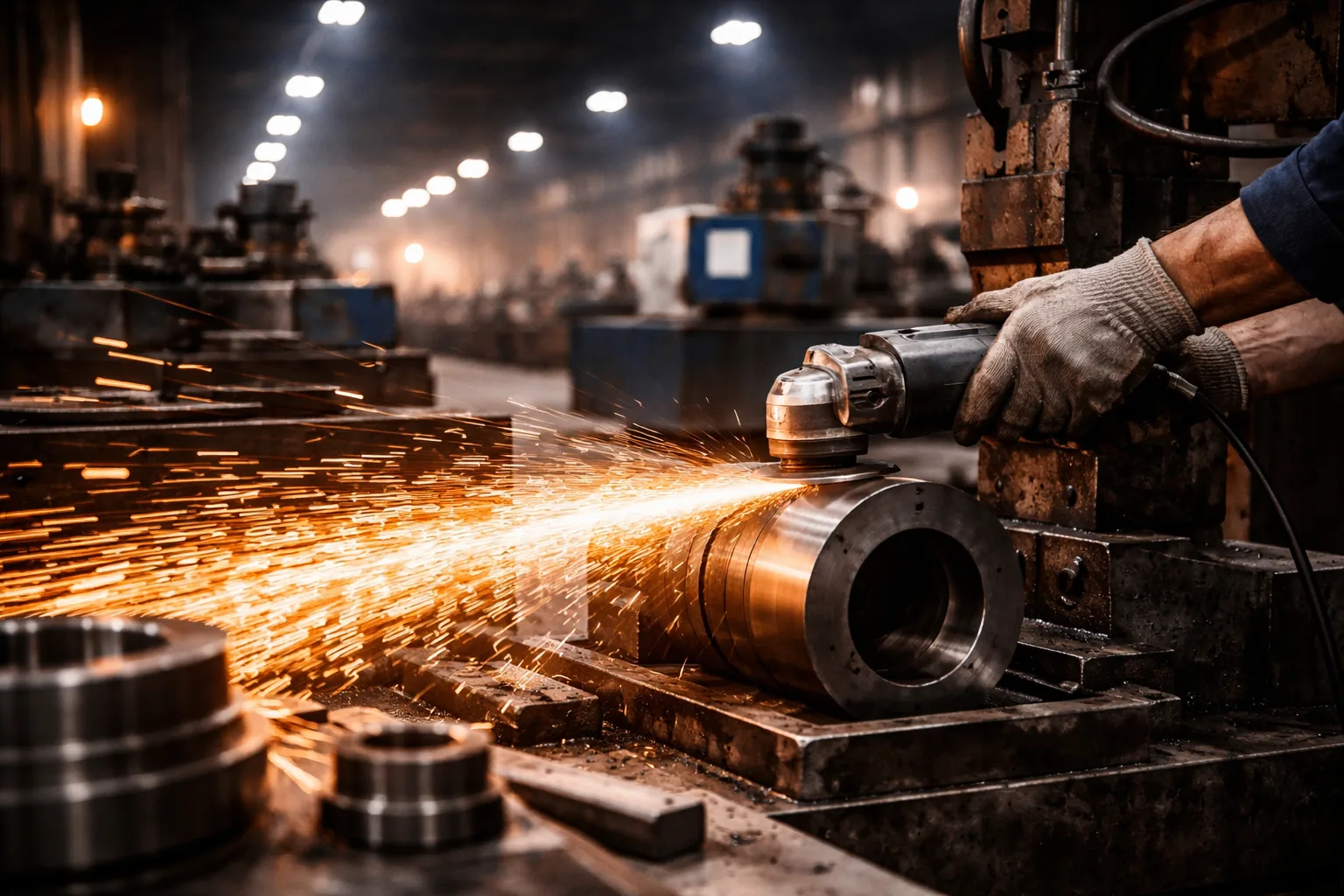
Buy OEM Gray Iron & SG Iron Castings
OEM casting projects often require more engineering support than standard catalog products.
A manufacturer may need to develop:
- Custom patterns
- Core boxes
- Gating systems
- Risers
- Machining fixtures
- Inspection procedures
The casting supplier should therefore be able to work with the OEM’s engineering and quality teams throughout development and production.
For repeat production, tooling control and process consistency become especially important.
Industries That Use Gray Iron & SG Iron Castings
Automotive
Automotive manufacturers use gray and ductile iron for selected engine, drivetrain, brake, housing, and structural components.
Agriculture
Tractor and agricultural machinery manufacturers use SG iron and gray iron for housings, transmission components, hydraulic parts, brackets, and other machinery components.
Pumps and Valves
Iron castings are widely used for pump bodies, valve bodies, covers, housings, and flanges.
Construction Equipment
Heavy equipment manufacturers use ductile iron and other engineered cast irons for components exposed to significant mechanical loads.
General Engineering
Machine tools, motors, gearboxes, compressors, and industrial equipment all use iron castings.
Gray Iron & SG Iron Casting Supplier for Export
For international buyers, casting quality is only one part of the sourcing decision.
An export-ready manufacturer should also understand:
- Export packaging
- Component protection
- Moisture control
- Palletization
- Shipping documentation
- Commercial invoices
- Packing lists
- Product identification
- Traceability
Packaging should protect machined and unmachined surfaces from damage and corrosion during transportation.
For repeat international orders, clear documentation and consistent product identification can make procurement easier.
Why Choose RAIMAC Technocast?
RAIMAC Technocast provides custom iron casting solutions for OEM and industrial requirements.
Its casting capabilities can support applications involving:
- Gray iron castings
- SG / ductile iron castings
- Automotive components
- Tractor components
- Pump components
- Valve components
- Industrial machinery parts
- Custom OEM castings
- Precision-machined components
For each project, the material grade, component design, casting process, machining requirements, inspection criteria, and production volume should be established before manufacturing.
This helps ensure that the final casting is suitable for the intended application rather than simply meeting a basic dimensional requirement.
What Information Should You Send When Requesting a Quote?
If you want to buy gray iron & SG iron castings from a manufacturer, provide as much technical information as possible.
Ideally, include:
- 2D engineering drawing
- 3D CAD model
- Material grade
- Approximate casting weight
- Finished component weight
- Annual quantity
- Expected order quantity
- Machining requirements
- Dimensional tolerances
- Surface finish requirements
- Heat treatment requirements
- Inspection requirements
- Applicable standards
- Packaging requirements
- Delivery destination
Providing this information helps the manufacturer calculate tooling, casting, machining, inspection, and logistics costs more accurately.
Frequently Asked Questions
You can buy gray iron castings directly from an iron casting manufacturer or foundry that can produce the required material grade, dimensions, quantity, and inspection requirements.
SG iron castings can be purchased from ductile iron casting manufacturers that have the required melting, magnesium treatment, molding, inspection, and machining capabilities.
Gray iron contains graphite flakes and offers excellent machinability and vibration damping. SG iron contains predominantly spherical graphite nodules and generally provides higher strength and ductility.
Yes. SG iron is widely used for components that experience higher mechanical loads, impact, bending, and repeated stress, subject to the selected grade and component design.
Yes. Gray iron and SG iron castings can be manufactured and packaged for international shipment when the supplier has appropriate export capabilities.
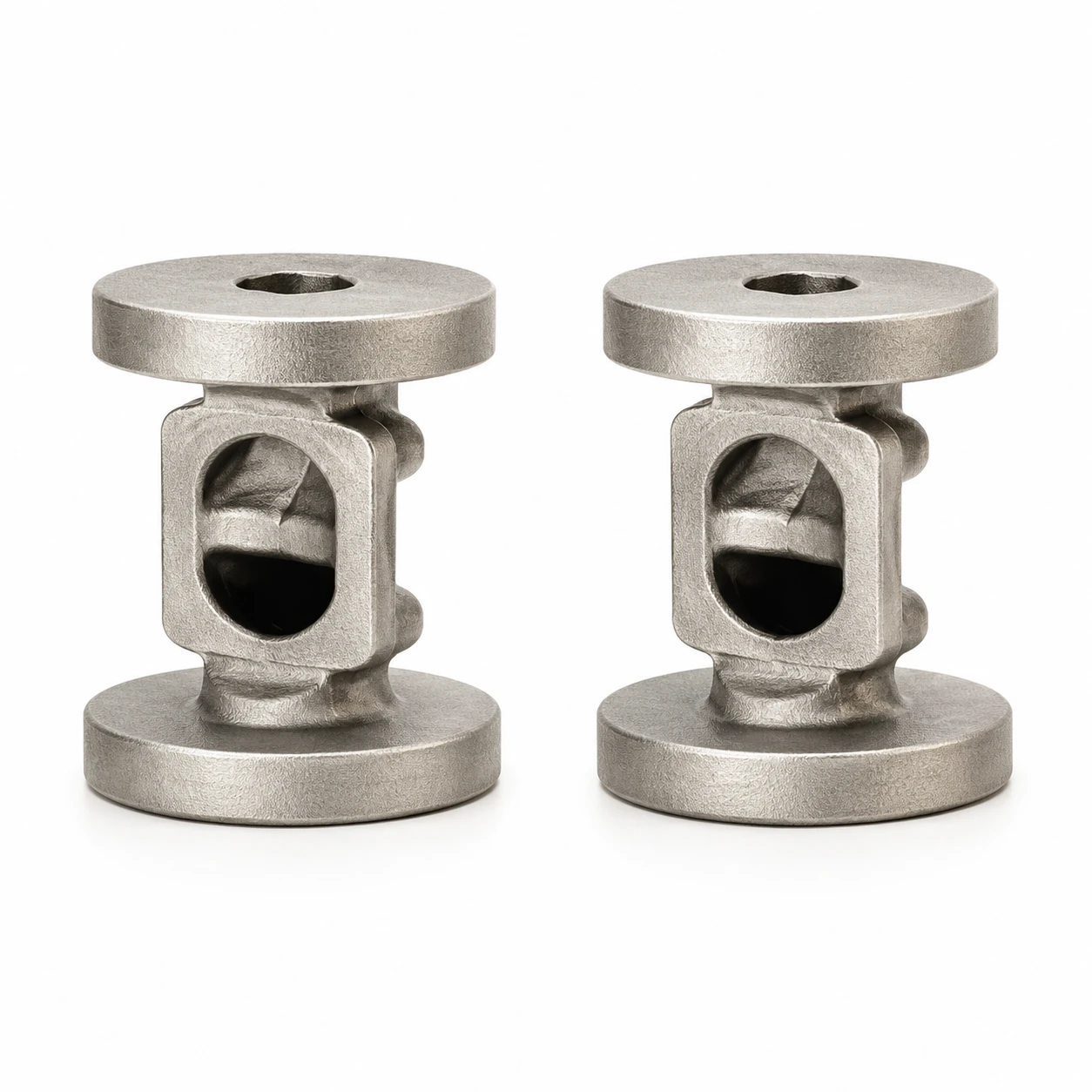
Conclusion
If you want to buy gray iron & SG iron castings from a manufacturer, focus on more than the quoted price. Material consistency, casting design, metallurgical control, machining accuracy, inspection, production capacity, and OEM experience all affect the actual value of the casting.
Gray iron remains an excellent choice for applications requiring machinability, vibration damping, and cost efficiency. SG iron is a stronger option for many components that require greater ductility, impact resistance, and mechanical performance.
The right manufacturer should be able to help you select the appropriate material, develop the tooling, manufacture the casting, perform machining and inspection, and supply consistent components for repeat production.
For OEM and industrial buyers, RAIMAC Technocast can support custom gray iron and SG iron casting requirements based on component drawings, material specifications, production quantities, and quality requirements.